Planned Maintenance vs Reactive Repairs: The Value of a Commercial HVAC Strategy
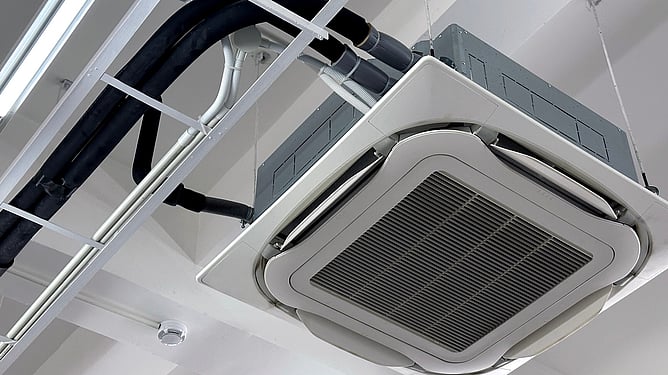
For most commercial buildings, HVAC is not simply background infrastructure. It shapes tenant comfort, influences energy performance and quietly underpins the reputation of the asset itself.
When annual budgets are reviewed, maintenance spend is often closely examined. Planned servicing appears as a fixed, recurring cost, while reactive repairs show up only when faults occur.
At first glance, a reactive approach can seem cost-efficient because it limits routine expenditure. However, over the life of a commercial building, the long-term financial and operational implications tend to tell a different story.
The Reality of Reactive Maintenance
A reactive model addresses faults when they occur. There are no routine inspections and no structured oversight. Systems are left to operate until something fails.
The challenge is not that repairs happen. Mechanical systems will always require intervention at some point. The challenge is timing and control.
Breakdowns rarely occur during convenient periods. They tend to surface during peak seasonal demand, when systems are already working hardest. At that point, response decisions are compressed. Emergency labour rates apply. Parts must be sourced quickly. Temporary solutions may be required to maintain internal comfort.
Beyond the invoice itself, there are operational considerations. Disruption to tenants. Internal complaints. Pressure on facility teams. None of these are dramatic in isolation. But repeated over years, they erode both budget stability and tenant confidence.
More subtly, reactive strategies often shorten equipment lifespan. Systems operate with hidden inefficiencies that go undetected until they develop into larger faults.
What Planned Maintenance Provides
Planned maintenance is not about over-servicing or unnecessary intervention. It is structured oversight designed to preserve performance.
Routine inspections allow technicians to assess airflow, electrical connections, refrigerant pressures, mechanical wear and system controls in a deliberate way. Early indicators, such as abnormal amp draw or declining efficiency, can be addressed before they escalate.
For a typical Auckland commercial property, this may involve quarterly inspections, seasonal performance checks ahead of summer and winter peaks, and documented reporting that supports compliance and capital planning.
The value lies in control. Repairs can often be scheduled during lower-demand periods, reducing disruption and avoiding emergency conditions. Over a five to ten-year horizon, the cumulative difference in lifecycle cost becomes significant.
Reliability as a Commercial Advantage
In commercial property, reliability influences more than temperature.
Consistent internal conditions support tenant satisfaction and lease stability. Well-documented service history strengthens compliance confidence and simplifies due diligence during valuation or transaction processes.
Energy performance also benefits. Systems that are clean, calibrated and mechanically sound operate closer to their intended efficiency. According to EECA, an estimated one third of commercial buildings have inefficient HVAC systems, and something as routine as cleaning evaporator and condenser coils can deliver immediate energy savings. The result is steadier energy consumption and reduced strain on core components. This steady performance, sustained over time, protects asset value.
Benefits of Structured Maintenance
One of the most valuable aspects of structured maintenance is the visibility it provides. When a planned programme is in place, you receive clear condition reporting that supports informed, long-term capital planning.
Component lifespan becomes easier to forecast, allowing replacement works to be aligned thoughtfully with refurbishments, tenancy transitions or broader building upgrades.
Rather than facing irregular repair spikes, maintenance follows a defined servicing rhythm supported by consistent data. This creates the opportunity to integrate HVAC planning into overall asset management strategy, instead of treating it as an isolated operational concern.
For many experienced building owners, that clarity and coordination deliver as much value as the maintenance work itself.
A Strategic Perspective
Ultimately, this is not simply a technical choice between servicing models, but a strategic decision about how your building is managed over time. A reactive approach addresses faults as they arise, while a planned strategy focuses on preserving performance before issues disrupt operations.
At Eden Air, we structure commercial HVAC maintenance programmes around the specific demands of each property. System configuration, occupancy patterns, seasonal load and long-term asset objectives all shape the approach we recommend. The result is not a generic schedule, but considered oversight designed to extend equipment life and protect reliability.
If you are reviewing your current maintenance strategy, we would be pleased to assess it with you. In some cases, reassurance that your current approach is working well is all that is needed. In others, introducing a more structured plan can provide measurable long-term value. In both scenarios, the objective remains consistent: dependable performance that supports your building year after year.
To discuss a tailored maintenance strategy for your property, get in touch with our commercial HVAC team.